The first session isn't a test. Nobody is watching to see whether your child catches the ball straight away, and nobody expects it. The point is for them to see what it looks like, meet the coach and the group, and then decide for themselves whether they fancy coming back.
We take children and teenagers aged 6 to 15, whatever their experience. Sessions are free.
Where and when
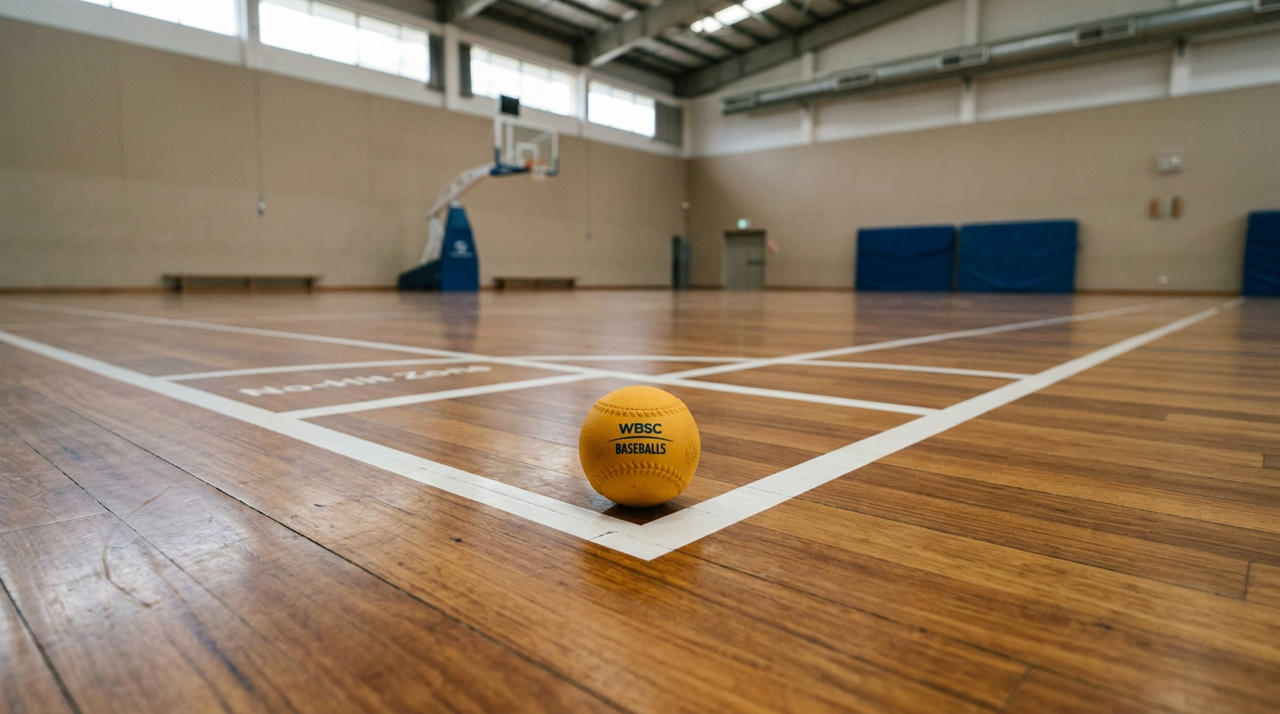
In the indoor season, which means autumn and winter, we train on Mondays and Wednesdays from 5:30 to 7:00 p.m. in the sports hall at Primary School No. 45 (SP nr 45), 3 Harcerska Street. In spring we move outside and the times may change, so it's worth confirming them before your first visit.
If you're planning to come, write to us beforehand or simply go up to the coach before the session. That makes it easier for the coach to pick the right group and drills for your child.
What to bring
- comfortable sports shoes with a good grip (you don't need cleats),
- layers that suit the weather, because the hall can be warm and the field is windy,
- a cap if the sun is out,
- water, and maybe something light to eat after training,
- a few words for the coach if your child has any health limits or has recently been injured.
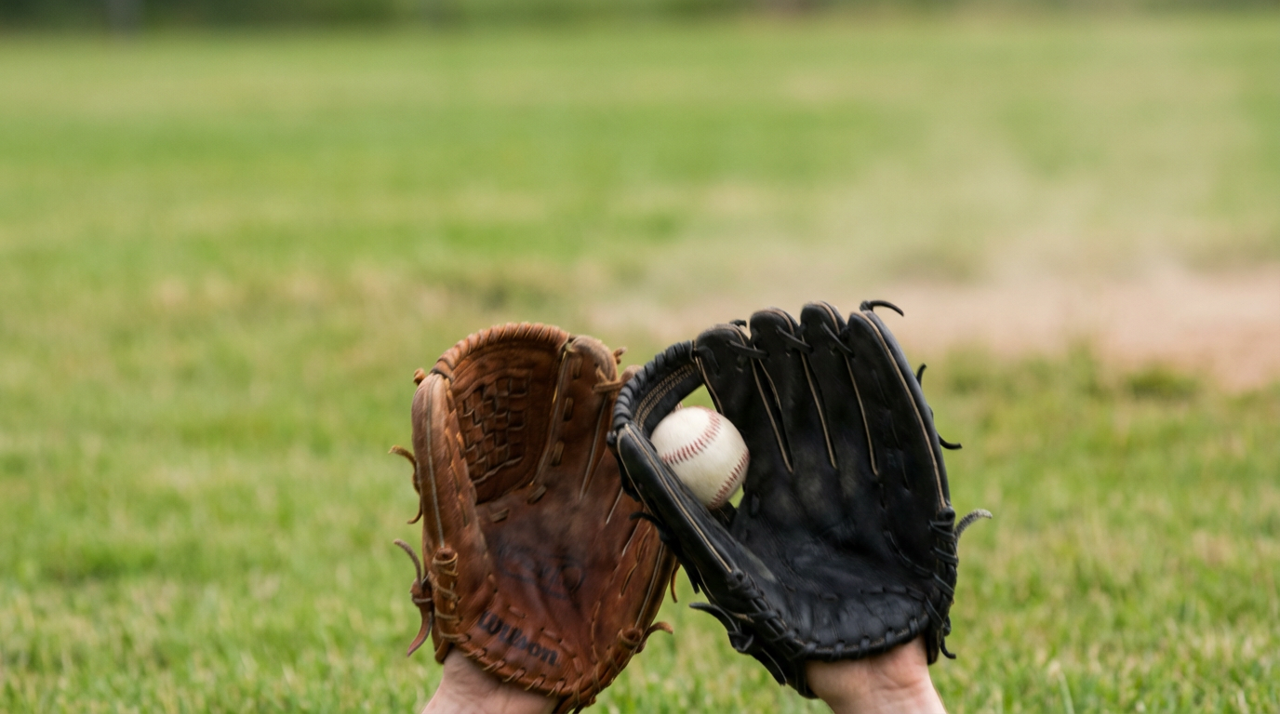
You don't need to buy a bat, balls or a glove. You'll get everything on site.
Hold off on shopping
The most common parent mistake is buying a glove before the first session. The right size depends on age, hand and the position your child will play, so a blind purchase usually ends up too big or too stiff. It's better to wait a few sessions and ask the coach. You'll find the rest in our gear guide.
What a session looks like
We start with a short warm-up: a bit of running and some simple coordination exercises. Then the children pick up the balls. First come throwing and catching in pairs, then a batting stance or running between the bases. At the end, if the group is ready, we play a short game.
The coach breaks everything down into small steps. A child who isn't catching confidently yet works from a shorter distance, and one who's already comfortable gets a harder task. Nobody is thrown straight into a fast game.
Safety
In baseball you have to watch out for the bat and the thrown ball, so we explain the rules before each drill and stop the drill if it gets risky. If your child feels pain, there's no point in "waiting it out". They just need to tell the coach and rest.
What about parents?
You can stay in the hall, especially the first time. The best approach is to watch and not step in. Afterwards, ask what was fun, who they practised with and whether they want to come back, rather than how many balls they caught. If your child is standing off to the side and doesn't know how to join the group, give them a moment. At a first session everything is new: the names, the equipment, the people.
And then?
After one visit it's usually clear whether this is the right sport. If it is, two sessions a week are enough for your child to get used to throwing, catching and running the bases. If it isn't, no harm done, and you can always come back later.
Not sure baseball is right for your child at all? Read why baseball for kids, or our comparison of baseball and football. If you have any questions, write to baseball@goatspoznan.pl.