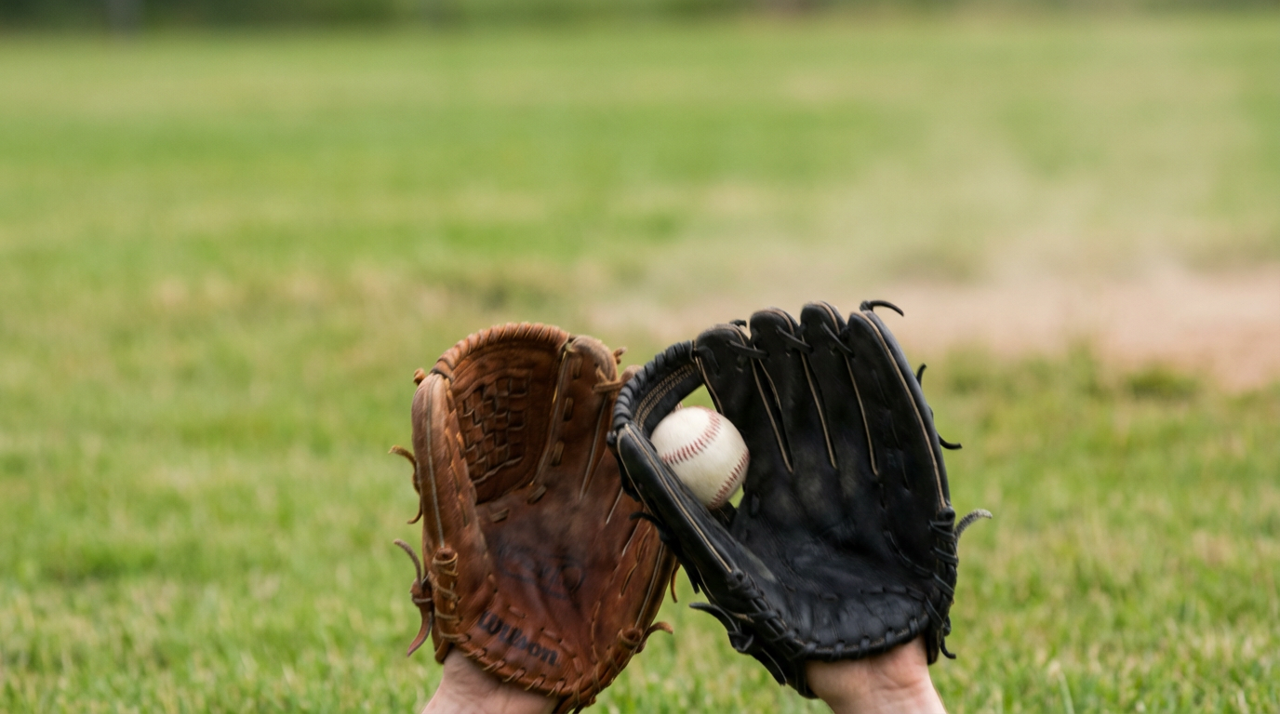
In baseball a child does several things at once: throws, catches, swings a bat, sprints, and keeps watching what's going on in the field. That doesn't make it an automatic recipe for development, though. Most of it depends on how regularly the child comes, what the atmosphere in the group is like, and how the coach runs it. For us, the most important thing is that the child wants to come back. Whether they look like a pro after a month matters much less.
We take children and teenagers aged 6 to 15. Training is free, the equipment is on site and no experience is needed. The entry bar is meant to be low, and the level of coaching grows with the child.
What children can learn
- Hand–eye coordination. To catch or hit a ball you have to judge the distance and the timing. It's about precision, not strength.
- Communication. Players call for the ball, back each other up and react to instructions. Without talking on the field it gets messy fast.
- Responsibility. Everyone has a job in defence and in attack. You can't hide out on the wing for the whole game.
- Reading the situation. The plays are short, and in between a child watches, counts the outs and thinks about what they'll do if the ball comes their way.
- Fair play. The rules are clear, you accept the umpire's decision and the game goes on.
These things grow through repetition, not after one impressive hit. That's why turning up regularly matters more than a one-off test of talent.
What about safety?
When we coach children, baseball isn't a sport of constant collisions. What matters most is a safe throw, working with the bat, talking when the ball is in play and watching your space. There's risk in every sport, and supervision, the choice of drills and equipment count for more than the name of the sport.
At the start we work over short distances, with tasks that suit the child's age. A full swing and long throws only come in when the technique and the body are ready for them. We've written more about what baseball gives a child physically in our article on coordination and teamwork.
Starting from scratch
You don't need to be able to throw or know the rules. In the first sessions a child gets used to the ball, learns to handle a bat safely and finds out how to run the bases. Everyone goes at their own pace, and the coach raises or lowers the bar instead of dragging everybody along at the same speed.
If your child is shy, baseball can be a good way in: the play is easy to follow, everyone gets their moment in the batting order, and at the stations the coach has time to work with one child. If your child has a lot of energy, they'll get sprints and decisions, but they'll also learn to wait for their turn.
What sessions are like
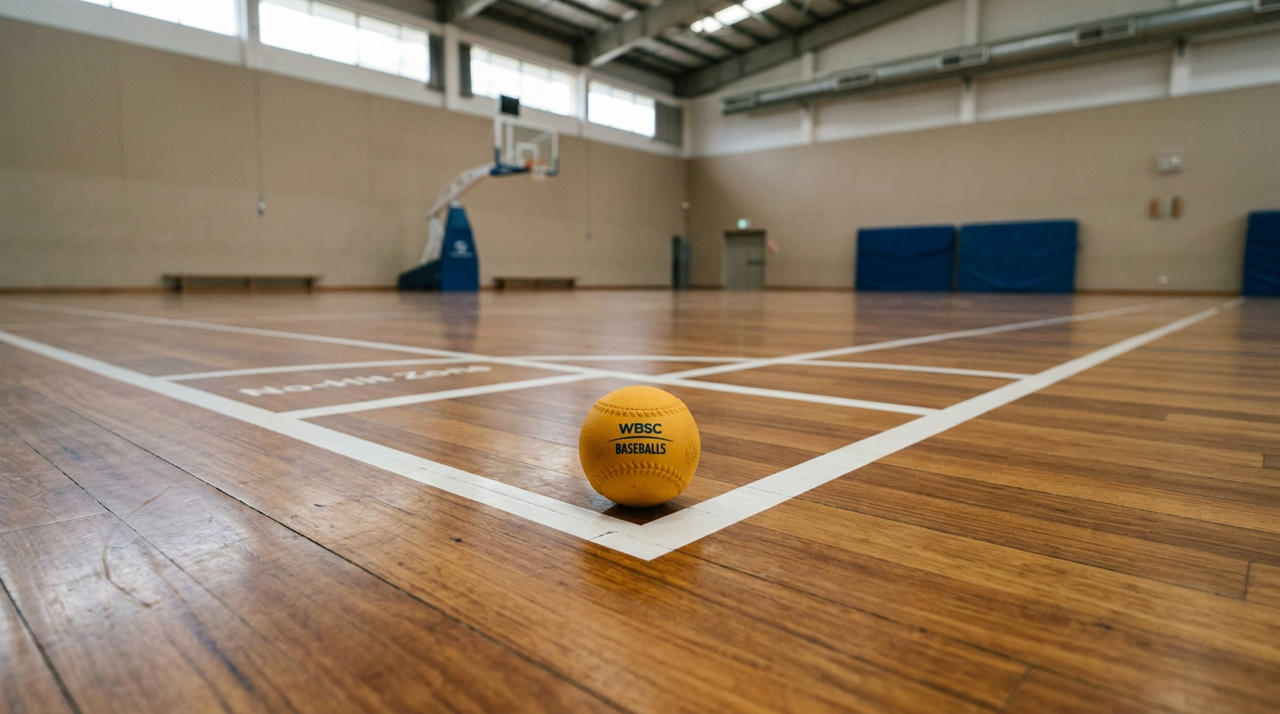
In the indoor season children train on Mondays and Wednesdays from 5:30 to 7:00 p.m. at SP nr 45, 3 Harcerska Street. Training starts with a warm-up, followed by ball exercises, technical stations and a short game. The aim isn't to win at all costs. A child should leave tired from moving and curious about the next session.
We cover what to bring to the first session in our article on the first training. And if you can't decide between baseball and football, have a look at our comparison of the two sports.
What we don't promise
We don't promise that baseball will improve your child's grades, build their character or get them into a national squad. Sport can support concentration, coping with emotions and relationships with other children, but it doesn't replace home, school or, if it's needed, a specialist. There's more on this in our article on the mental benefits.
How to tell if it's a good choice
The best thing is simply to come to a trial session. After two or three visits you can usually see whether your child comes home with energy. If they do, give the game a few more weeks. If they don't, respect that, rather than trying to convince them that "it's good for you".