Baseball combines several kinds of movement: a short sprint, a throw, a catch, a swing and a change of direction. That variety is a good chance to work on fitness, but it doesn't replace general activity or what an individual child needs. Good training rounds out a child's week, and it shouldn't be their only source of exercise.
Parents often ask how baseball differs from other ball sports. One answer is that a single session mixes precise tasks with dynamic ones. A child doesn't run non-stop, but when they go, they go all out.
Coordination and timing
Hitting a ball off a tee, or one the coach has tossed gently, takes judging the distance and getting the timing right. A child learns to wait for the ball instead of swinging "just in case". What counts is the quality of the repetitions, not the number of random swings.
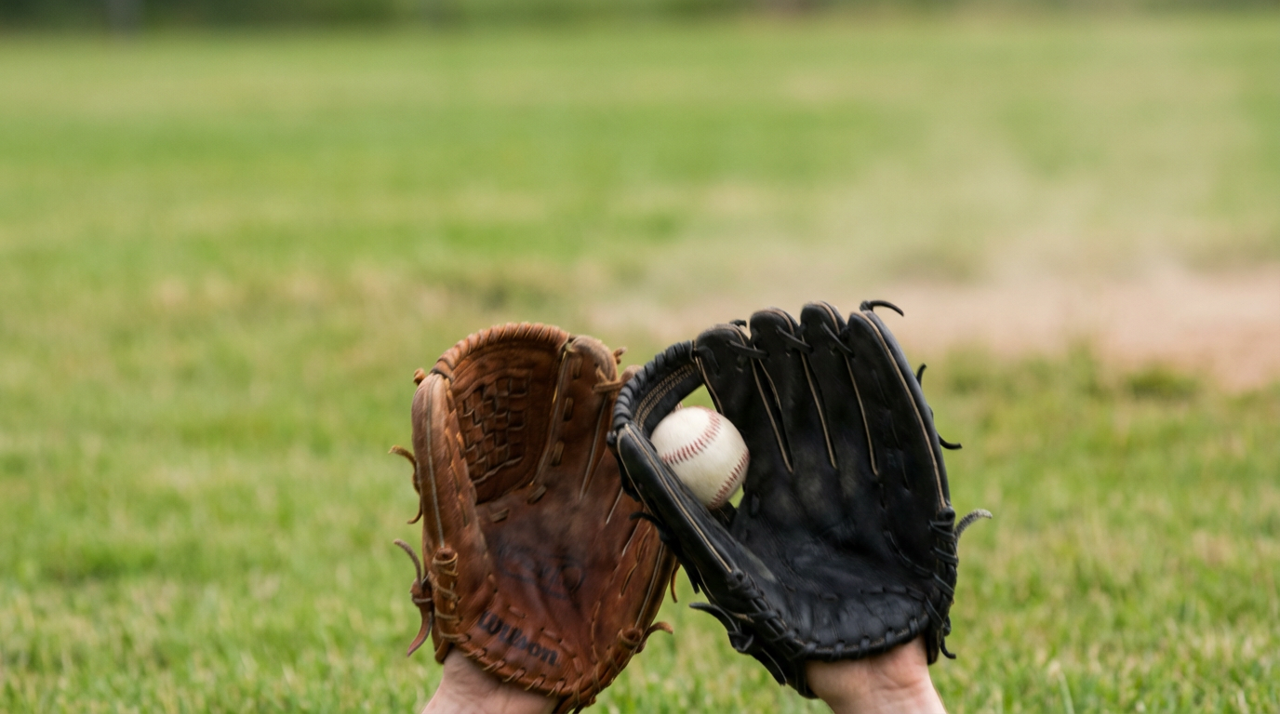
Timing matters in catching too: you have to set off at the right moment, get your body in position and close the glove. It's a movement task and a decision at the same time, which is why we give beginners more time and a shorter distance, instead of speeding the game up beyond their level.
Throwing, catching and footwork
In a throw the whole body works: foot position, rotation of the trunk, and only at the end the arm. In catching, what counts is getting your hand ready and following the ball with your eyes. We start both from short, safe distances. Power comes later, once the mechanics are stable.
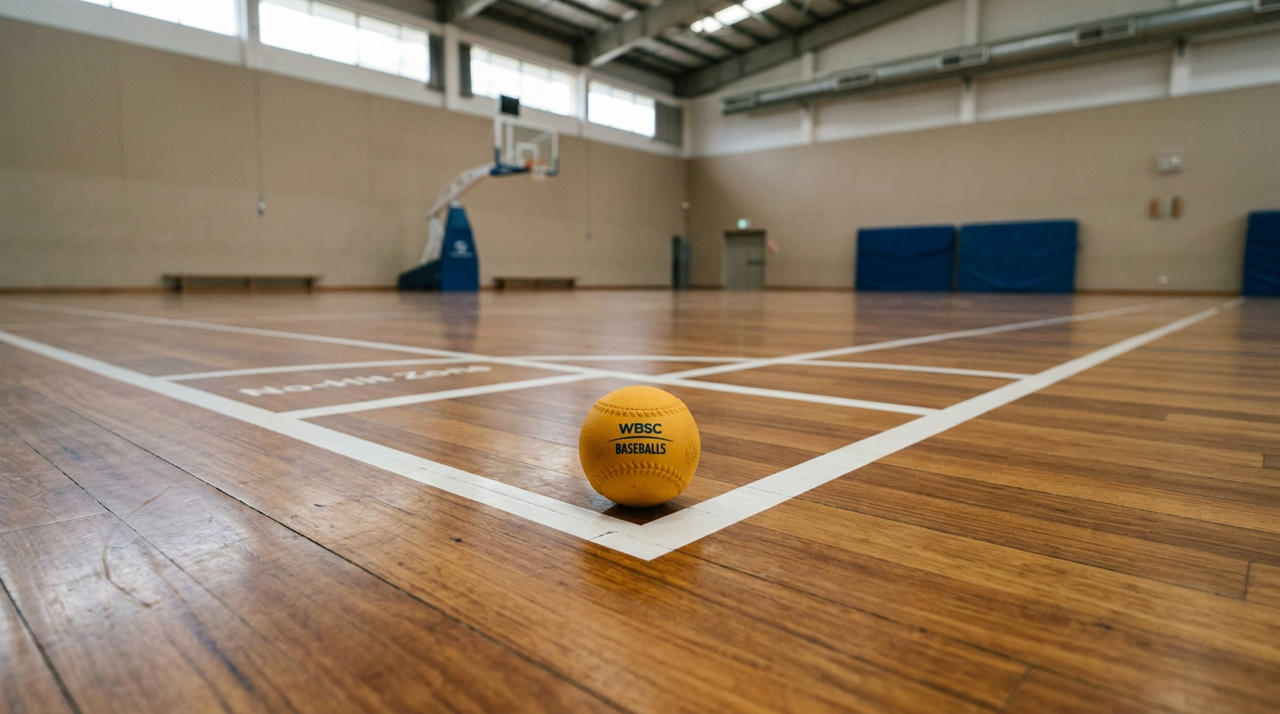
Footwork is the underrated foundation of defence. The first step towards the ball, lowering your centre of gravity and braking after a sprint can all be practised even in a hall. That way we don't lose the winter, we just change our priorities. We wrote about this in our piece on indoor training.
Working together on the field
Simple calls, like "mine" or pointing to a base, save you from collisions and a mess. A child also learns that a good play can be a backup: getting behind a teammate who's catching the ball, or covering a base someone has left. Baseball rewards the attention of the whole team, not just the author of a spectacular catch.
With children's groups we build these habits through short games, not lectures: one round, one task, a brief word from the coach. We write about emotions and concentration in our article on mental development.
What it looks like in training
A typical session is a few stations: throwing in pairs, fielding ground balls, hitting off the tee and running the bases. The groups rotate so that nobody stands around for too long. The coach adjusts the ball, the distance and the pace to the child's age, so a seven-year-old and a thirteen-year-old can be in the same hall without doing exactly the same thing.
We don't promise that baseball will replace general fitness classes or physiotherapy. What we can promise is that the movement in training makes sense: there's a task, there's a break and there's a correction. Want to see how it works? Start with the first training session.