Baseball is a game of decisions
Knowing the rules is just the start. The real fun begins when you understand why a team does what it does. Baseball is packed with micro-decisions — each one can change the course of a game.
The bunt
Instead of swinging, the batter holds the bat out and lets the ball tap off it, rolling it softly into the infield. Why?
- Sacrifice bunt — the batter gives up an out to advance a runner to the next base. The team trades an out for better scoring position.
- Bunt for a hit — a fast player bunts to catch the defence off guard and reach first base safely.
Stealing a base
A runner can try to sprint to the next base during the pitcher's delivery — before the batter even hits the ball. It's risky: if the catcher throws quickly to the base, the runner is out. But a successful steal shifts the momentum.
Double play
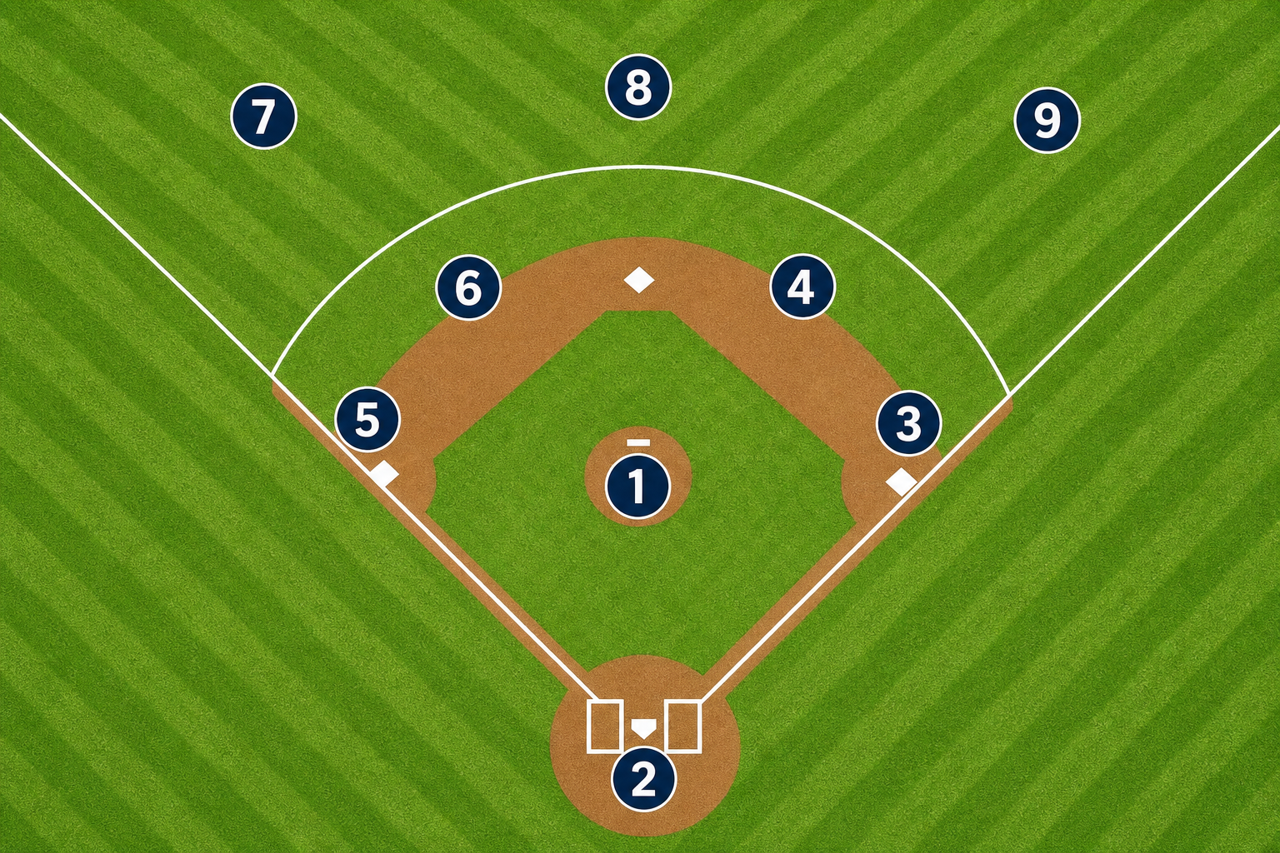
The defence dreams of a double play — two outs on one play. Most common: a ground ball to the shortstop, who throws to second base (first out), and the second baseman fires to first (second out). Fast, precise, spectacular.
Hit and run
The coach signals: the runner takes off with the pitch, and the batter must swing — regardless of the pitch. The goal is to advance the runner and avoid a double play.
Why does this matter?
Baseball rewards thinking. Even young players learn to read the situation: how many outs, where are the runners, what's the score. It's a sport where the mind works as hard as the body.
End of the series — start of the adventure
Now you know the basics. But the real learning happens on the field — come join us at practice!