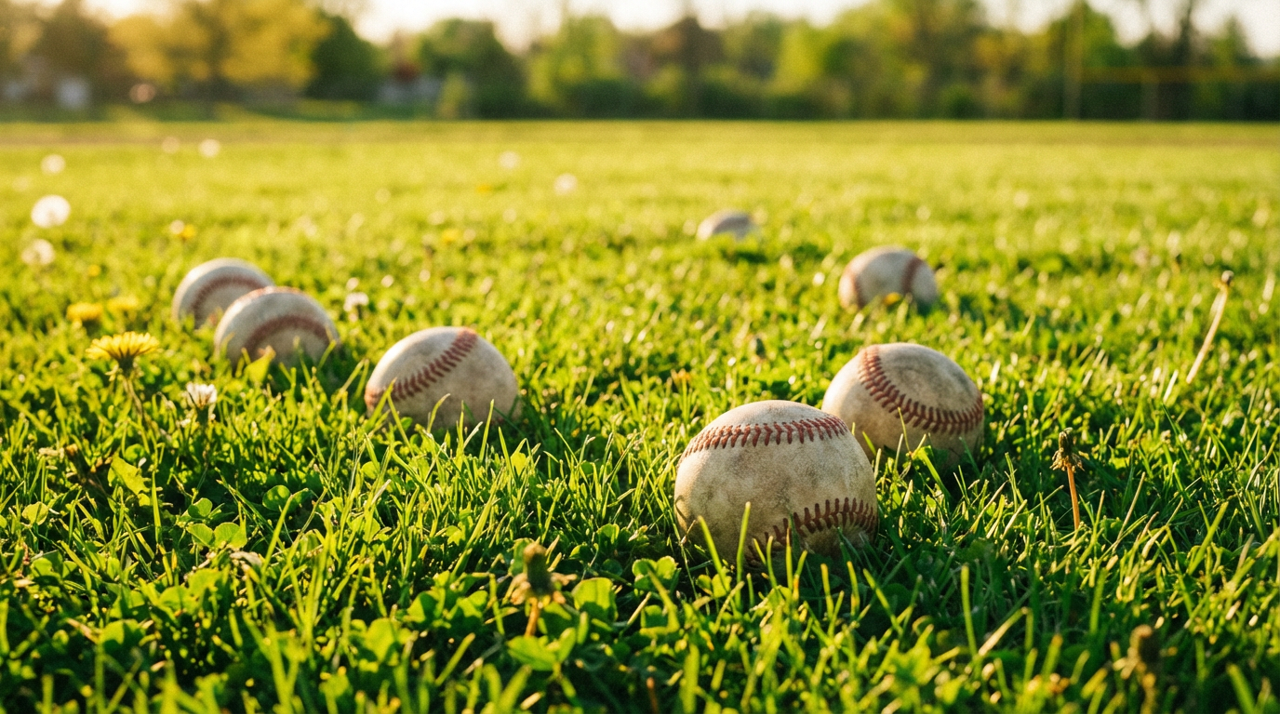
There's no single best sport for a child. The choice depends on temperament, fitness and social needs, and above all on whether the child wants to keep coming to training. Baseball and football develop many similar things, but the experience of playing is completely different.
We're not writing this against football. In Poland football is much easier to get into: there are more pitches and more kids to play with. Baseball has a different structure: short plays, a clear batting order, and a moment when the ball comes to you. A child may like one, the other or neither.
Tempo: non-stop running or short plays
In football you run all the time and have to react in a busy crowd. Baseball is made of short, intense moments: a throw, a catch, a swing, a sprint to a base. In between, the player watches the game and prepares the next decision.
Some children prefer the constant energy of football, while others like the clear rhythm of baseball better: I know when I'm batting, and I know which ball is mine. If a child gets worn out by the chaos of big games, baseball can be a calmer way into team sport.
Every player's role
In both sports the team counts. In baseball, though, everyone has their own regular, clear moment: as a batter, a runner or a fielder. In football it can happen that the ball doesn't reach a child for several minutes, whereas in baseball the play will come to them sooner or later.
For some that's an advantage, because they practise concentration and feel that something depends on them. For others it's a challenge, especially if they don't like being "on stage". After the first session it's better to watch your child than to guess which personality suits which sport.
Contact and safety
In both sports you need to learn the safety rules. In baseball that's mainly a safe throw, working with the bat and communicating around the ball. In football there are more duels and contact between players. That doesn't make either sport completely safe, because the quality of coaching, equipment and the coach's supervision matter everywhere.
When we coach children at Goats, we don't build the game around collisions. We teach them how not to put themselves in the way of the ball and the bat, how to call for a catch and how to stop a drill when it gets dangerous.
Equipment and the cost of getting started
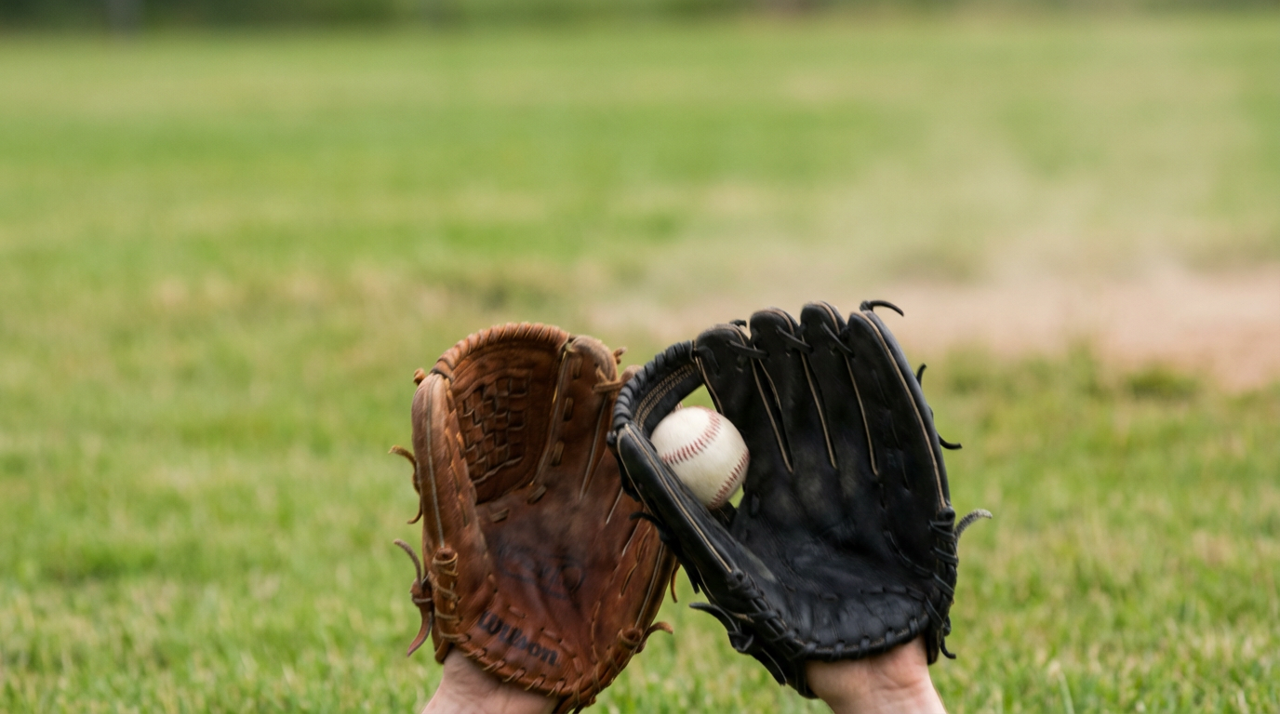
Football wins on simplicity: boots, a ball, grass. Baseball looks more expensive, because it involves a glove and a bat. In practice, for a first session with us you only need your kit and water, and you'll get the rest on site. A glove of your own only makes sense once your child is staying. The details are in our gear guide.
How to decide
- Ask your child whether they're more curious about catching, throwing and hitting, or about playing with their feet.
- Use a trial session instead of buying equipment before the first classes.
- After a few sessions, look not at the results but at whether your child wants to go back, how they get on in the group and how they feel.
- Don't force a choice "for ever". For younger children, a variety of movement is a plus.
You don't have to choose for ever
Baseball can complement other activities instead of competing with them. A child who plays football at school can spend Monday and Wednesday learning to throw and catch. If you'd like to see how they get on, read what the first training session is like, and come along without any pressure to perform.