The most expensive kit won't make up for a badly run start. For a trial session, sportswear, water and shoes with a good grip are enough. At Goats Poznań the bat, balls and training gloves are all on site, so it's worth holding off on buying anything until your child (or an adult beginner) knows the basics and wants to stay.
This article is meant to cut down on expensive mistakes. An online shop will happily sell you a full set, whereas we're more likely to say: not yet.
The glove: the first sensible purchase
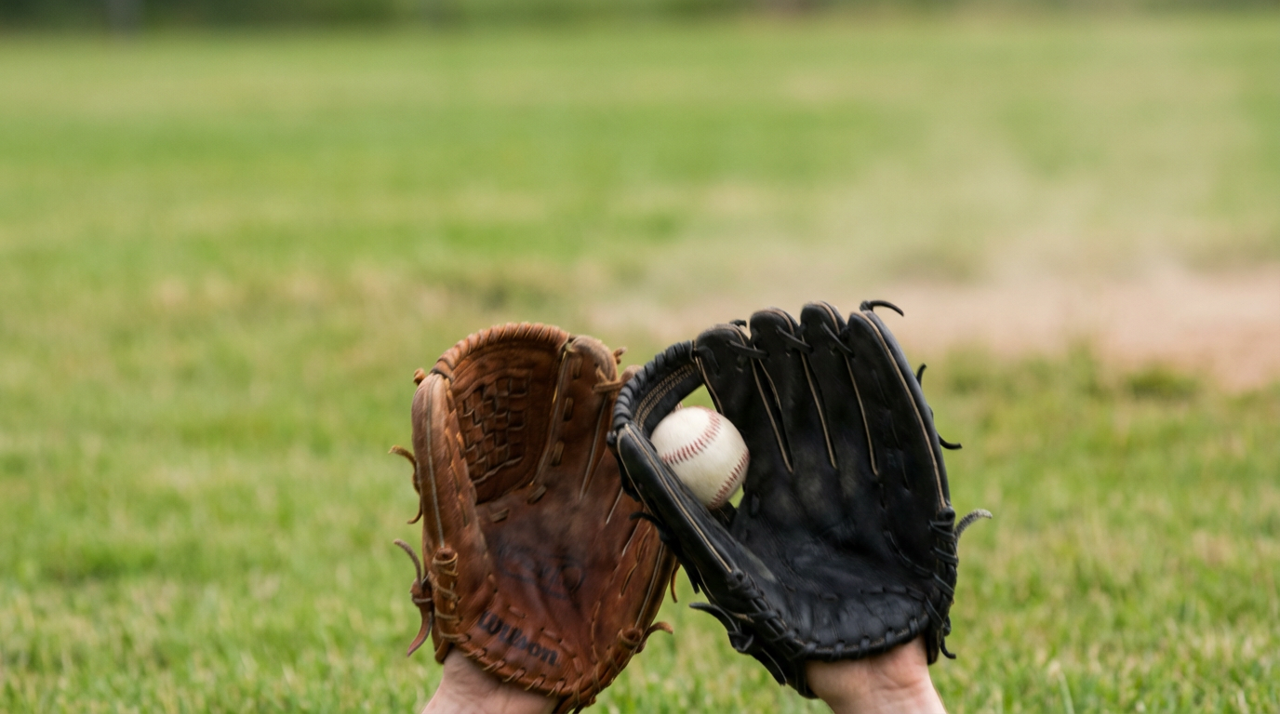
You choose a glove to fit the hand, the position and the age, not by price. Children's models are smaller and easier to close. Pay attention to which hand you're buying for: someone who throws with their right hand usually catches with the left, so they need a glove for the left hand.
- Size. For children aged 6–9, usually 9–10.5 inches, for 10–13 year olds 10.5–11.5 inches. An adult beginner most often fits 11.5–12.5 inches, depending on the position.
- Material. Synthetic leather is lighter and cheaper, and quite enough to start with. Real leather has to be broken in and looked after.
- Closing. If a child can't close the glove, the ball drops out. That matters more than the logo.
It's best to try gloves on with the coach's help after a few sessions, once you know your child wants to stay with baseball.
The bat
A bat of your own is the next stage. Length, weight and whether it meets the competition rules matter more than the brand. A child should be able to control the bat without forcing the swing with their whole body, because a bat that's too heavy teaches bad mechanics. Before buying, ask which markings apply in your age group (in Europe you often see WBSC markings or league limits), and don't buy anything just on the strength of advice from the internet.
Shoes, helmet and protective gear
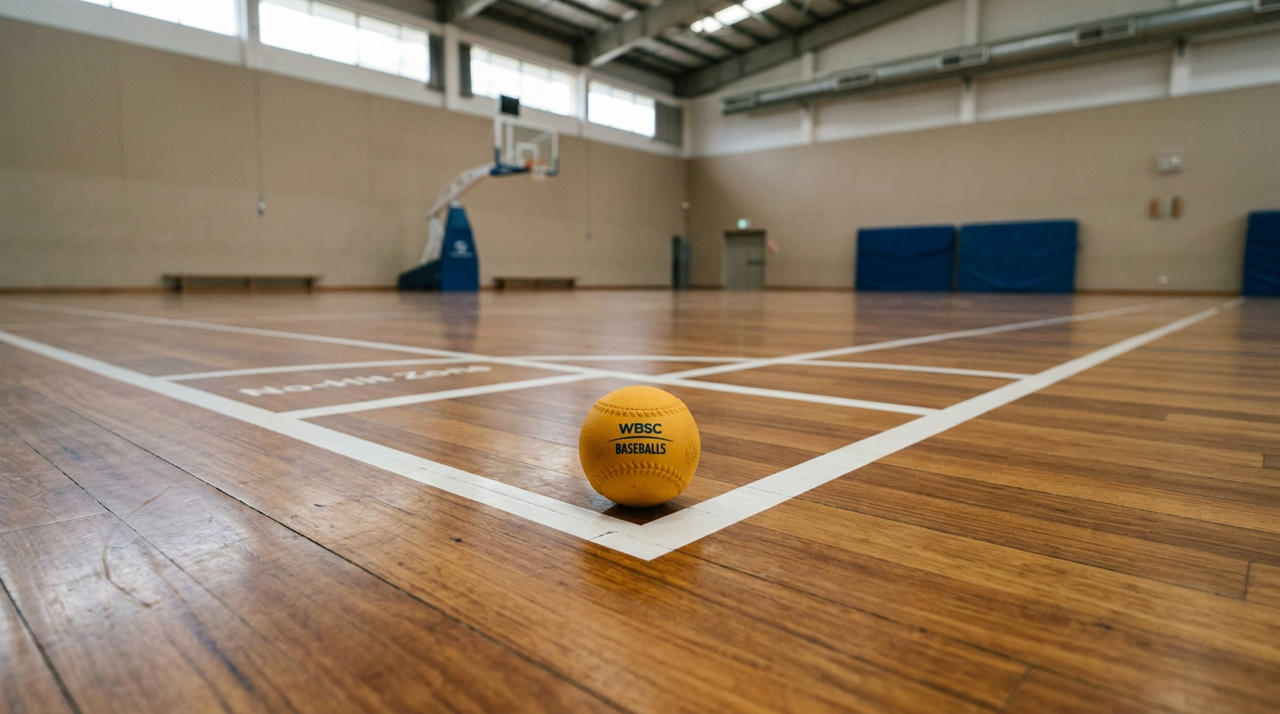
Ordinary sports shoes are enough for the first sessions. Cleats make sense once you're playing regularly on grass, and only when the coach confirms it. In the hall what counts is grip and a sole that doesn't leave marks on the floor, so ask about that before the indoor season.
The batting helmet and the catcher's gear are part of running drills safely, so don't replace them with random products, such as a cycling helmet. Before you buy anything, ask the coach what will be needed in your group.
What you can skip
- a specialist catcher's glove or a bat for advanced players,
- a big baseball bag, if an ordinary backpack will do,
- a full match uniform before you've decided to play regularly,
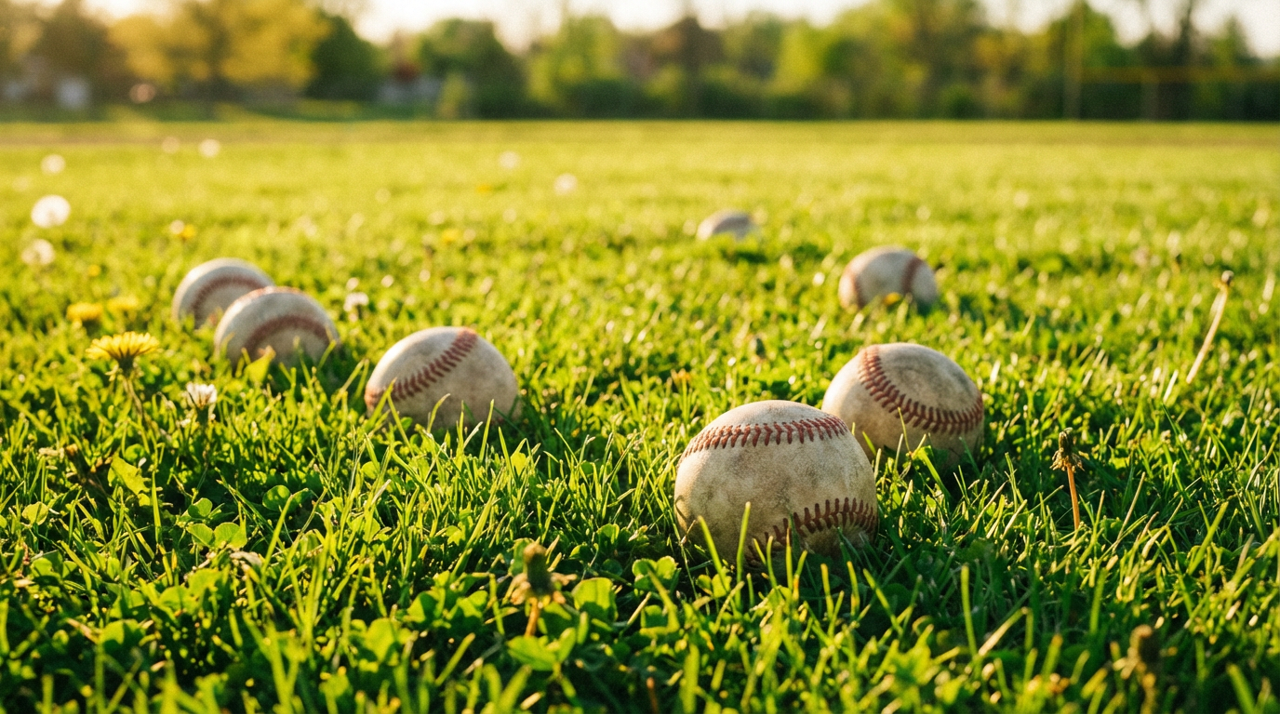
- match balls "for practising at home", it's better to wait for the sessions.
Budget and order
A sensible order goes like this: a trial session first, then a glove, and if your child stays for the season, shoes for the grass. The bat and match uniform come last. That way you won't buy kit that ends up in the wardrobe after two weeks.
Before you head out shopping, also read what to bring to the first training. Adult beginners are welcome to read about getting started in baseball as an adult.